Black Friday has gone from being a uniquely American event to a near global phenomenon, and, like all consumption at scale, it has environmental consequences. The upside: There’s a new way for online retailers and consumers to reduce their environmental impact, says Steffen Burrows CURBON Co-founder and Director.

In trying economic times, Black Friday offers some genuinely big discounts for consumers in search of a deal. For retailers feeling the pinch, 25 November is an opportunity to increase traffic and boost sales. The answer isn’t for people to stop buying the products and services they need and enjoy; rather, being more conscious of the impact those purchases have, and taking steps to lessen that impact is. Being a conscious consumer is now as simple as adding between 2 and 5% to your total purchase cost, to offset the carbon emissions of what you bought.
The cost of Black Friday bargains
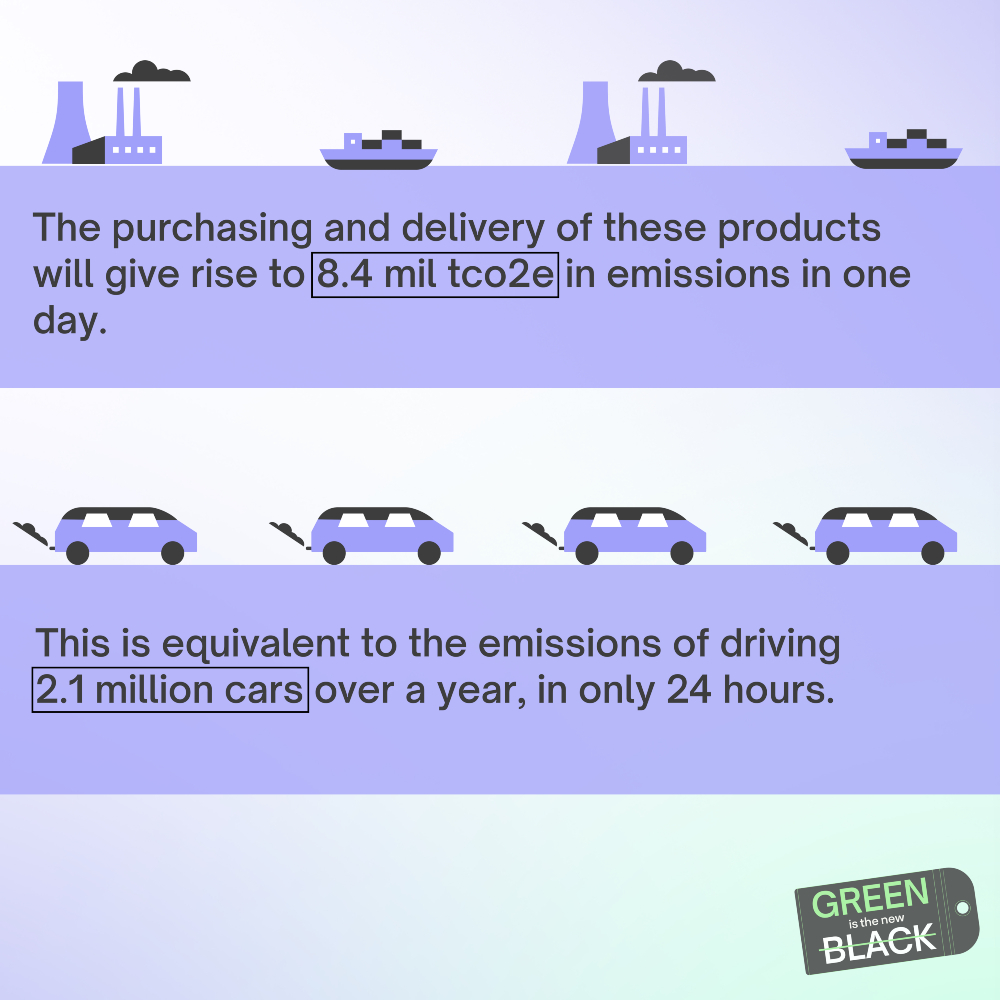
Estimates* suggest 27 million South Africans will participate in Black Friday this year, spending an average of R1,735 per person online and in stores, resulting in a whopping R4.7 billion in sales. This correlates to roughly 8.4 million tonnes of Co2 emissions – the equivalent of driving 2.1 million cars for one year, in just 24 hours.
Online shopping has, on average, 17% lower emissions than brick-and-mortar shopping. Unfortunately, 17% less doesn’t make it exempt from adverse environmental impacts from the emissions involved in creating goods in the first place. From packaging to warehousing and delivery emissions, every product we buy has an environmental price tag – but as of now, there is something we can do about it.
Carbon offsetting consumerism
Over and above reducing the emissions of their products and their entire value chain, e-commerce stores can offer more sustainable shopping solutions like carbon offsetting, which directs funds towards climate change projects to reduce the emissions of their customers’ purchases. Ordinary consumers have the power to make more climate-conscious decisions this Black Friday by choosing brands that use locally sourced materials, by shopping at stores that are doing their part for sustainability, and by pushing their favourite online retailer to offer a carbon offsetting solution like CURBON.
CURBON offers e-commerce stores and customers the opportunity to easily offset the climate cost of the products they purchase at check-out. By contributing around 2 to 5% of cart spend, an individual can offset the carbon impact of the goods they purchase, as well as the impact of the delivery of their order.
Fast consumerism, fast consequences
For better, and for worse, fast consumerism suits a growing number of people across the globe. This demand from customers creates manufacturing practices that favour constant product iterations and upgrades within ever smaller time frames. The impact this has on the environment is far from ideal. Fast Fashion companies alone generate more pollution than international aviation and shipping combined and use around 93 billion cubic metres of water each year.
Clearly, we aren’t where we need to be in the fight against climate change and direct action is needed to prevent habitat destruction, biodiversity loss and other concerns not within the net of carbon offsetting. However, climate scientists around the world are calling for us to limit human-caused emissions that can impact climate change. We are on a deadline which means waiting for companies that produce the products and services we buy to do the right thing simply isn’t viable. The silver lining is that each of us is a consumer, we can demand the power to start curbing the effect our purchases have on the environment through carbon offsetting. If only 20% of South Africans contribute 2% of the value of their online carts towards carbon offsetting their purchases, R150 million would be raised for climate change projects annually.
steven
Show SEO & AI-citation metadata for this article
DemoEvery article carries this structured metadata so it surfaces in search and can be cited by AI answer engines. In the back end, a person posting fills these in, or the AI layer drafts them.