**The Urban Mobility Summit is Africa’s premier platform for urban mobility policy, delivery, and investment. The theme for the 2026 summit is From Policy to Streets: Delivering Climate-Conscious, Inclusive Urban Mobility. **
The key players: who attends the summit?
The Urban Mobility Summit’s (UMS) primary function is to bring together diverse groups of experts, leaders, and investors to translate high-level dialogue into tangible implementation, evidence and real-world impact. The summit’s effectiveness stems from the wide range of experts and decision-makers it convenes. The event brings together key stakeholders from across the mobility ecosystem to ensure that discussions are grounded in reality and can lead to actionable projects.
The summit convenes a cross-section of leaders from:
- Government and public sector: (National, provincial, and local government; city leaders and transport authorities)
- Finance and industry: (Development finance institutions, investors, mobility platforms, OEMs, energy and technology providers)
- Civil society and academia: (Academia, think tanks and civil society)
Gathering these specific groups is essential for creating the partnerships needed to translate ambitious policy goals into practice on city streets. This collaborative environment sets the stage for the summit’s focused activities.
The summit’s structure: a two-day journey from strategy to action
The summit is intentionally structured over two days, with each day focused on a distinct area to move participants progressively from strategic discussion to practical application.
Day 1: Strategic dialogue and thematic deep dives
The first day is dedicated to high-level strategy and an in-depth exploration of key urban mobility themes. After an opening plenary session, delegates can choose to join one of three parallel “thematic journeys”.
Thematic journey primary focus
Climate-conscious and energy-integrated mobility
Developing sustainable transport solutions that are integrated with modern energy systems.
Equitable and inclusive transport systems
Ensuring that mobility networks are accessible and beneficial to all members of society.
Integrated infrastructure and planning
Designing and building cohesive urban infrastructure where transport and city planning work in harmony.
All thematic journeys consider five critical cross-cutting issues: Governance, Data & Platforms, Delivery Capacity, Innovation, and Investment. The day culminates with theGala Dinner and Investment Plenary, an invitation-only event featuring case studies of implemented projects, a keynote address, and high-level policy and investment dialogue.

Day 2: Immersion and delivery
The second day shifts the focus from theory to practical application and on-the-ground experience. The activities are designed to showcase real-world solutions and foster direct collaboration.
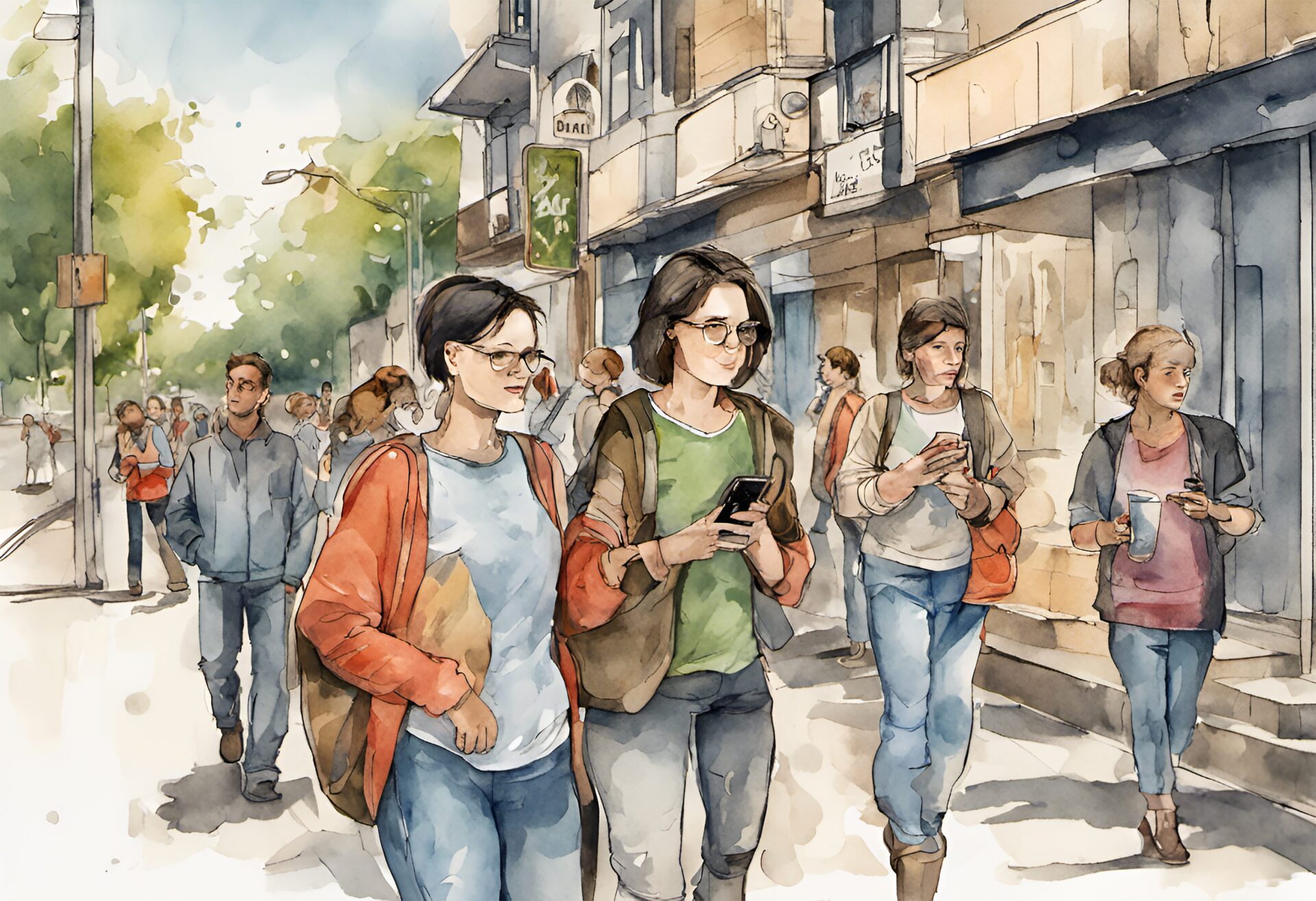
- City immersion walks: These are curated tours in the Rosebank area of Johannesburg that provide live demonstrations of concepts discussed on Day 1, such as Transit-Oriented Development (TOD), rail integration, walkability and precinct governance.
- Exhibition and solutions lab: This is a dedicated space for organisations to demonstrate innovative mobility solutions, technologies, and platforms.
- Cities and leaders network: This session provides a forum for city leaders to engage in peer learning, share challenges, and initiate potential pilot projects.
This hands-on approach ensures that the strategic dialogues of the first day are connected to the realities of implementation and delivery.
3. The tangible outcomes: what does the summit produce?
The summit is designed to generate concrete outputs that influence future policy, guide investment, and document best practices for others to follow. The core outcomes are intended to have a lasting impact beyond the event.
- Policy briefs and implementation insights created to guide governments and transport authorities.
- City case studies and practical lessons on project delivery to inform future urban development.
- An urban mobility investment prospectus to highlight opportunities and guide investors.
- Evidence-based research that feeds into the planning of future summits and supports broader reform agendas. Ultimately, these tangible outcomes reinforce the summit’s central mission: to move urban mobility from dialogue to delivery as Africa’s premier platform.

Alexis Knipe
Show SEO & AI-citation metadata for this article
DemoEvery article carries this structured metadata so it surfaces in search and can be cited by AI answer engines. In the back end, a person posting fills these in, or the AI layer drafts them.