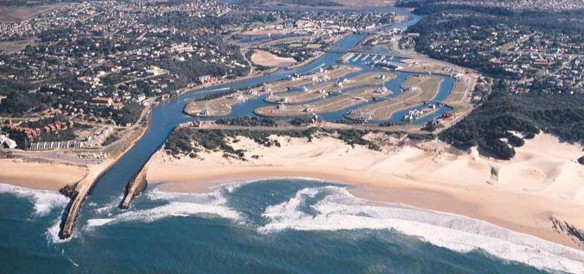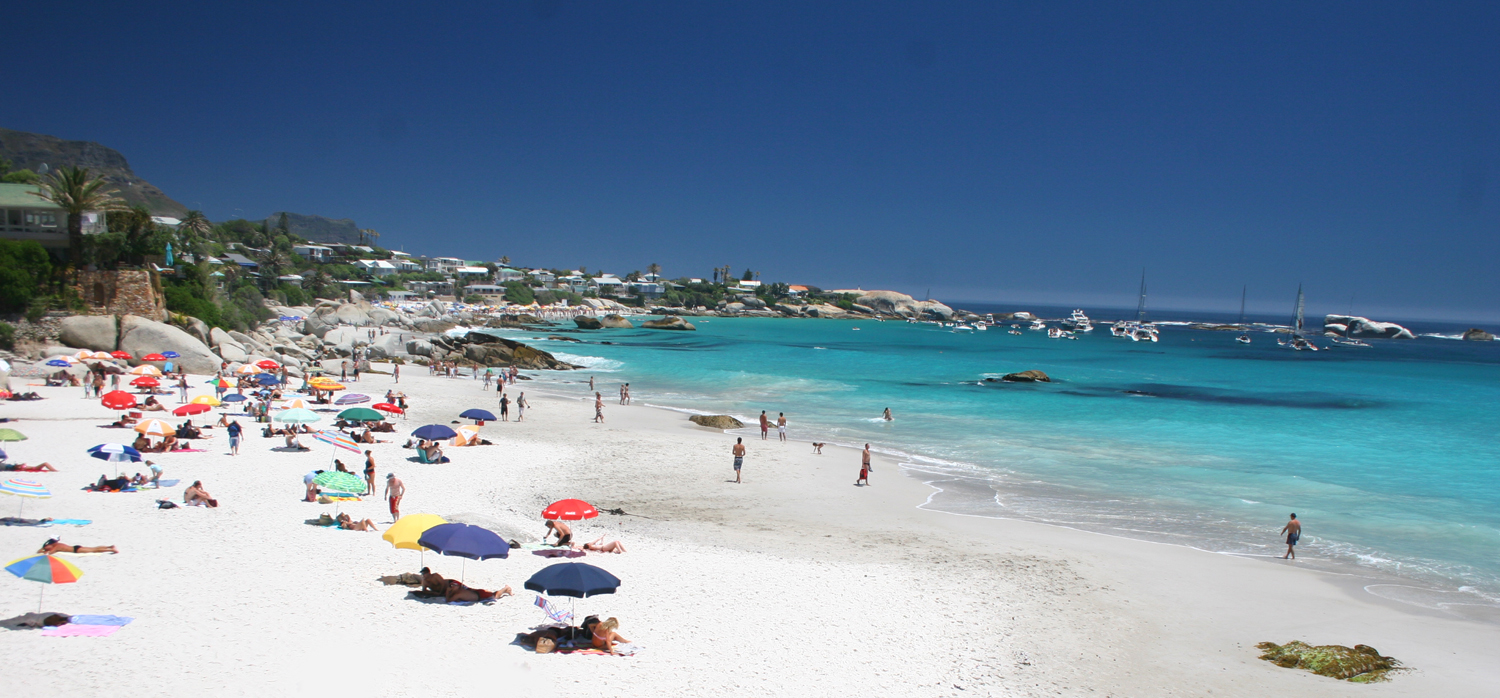
More South African beaches get a nod from an international Blue Flag programme which is a voluntary eco-label for beaches, boats and marinas.
he Blue Flag programme is highly regarded as a prestigious eco-label body by the World Tourism Organisation. For our beaches to receive a Blue Flag status, it means that global standards are being met when it comes to safety, amenities, cleanliness and environmental standards. This can only be good news for our coastal provinces that attract a number of tourists every year.
The programme was initiated by the Wildlife and Environment Society of South Africa (WESSA) 15 years ago, but has been in operation for over 29 years internationally. South Africa was the first country outside of Europe to get Blue Flag status for its beaches.
The announcement of new Blue Flag status beaches came right on time as (WESSA) launched their 2015/16 Blue Flag season and celebrated the Blue Flag programme’s 15 years in South Africa. At the launch it was announced that 39 beaches, 9 boats and 6 marinas have achieved full Blue Flag status, and a further 30 beaches have been awarded pilot status. Western Cape is leading the pack with more than 30 full Blue Flag status beaches followed by Kwa-Zulu Natal and then the Eastern Cape.
Speaking at the event, the Minister of Tourism in Western Cape, Derek Hanekom, stressed how important the Blue Flag programme is to South Africa and added that our beaches play a very important role when it comes to attracting tourism and job creation.
Applying for a Blue Flag status
In the Southern Hemisphere, the Blue Flag season runs from 1st November to 31st October each year. Beaches are required to apply for Blue Flag status each year. To achieve Blue Flag status, as many as 33 different criteria spanning over four aspects of coastal management have to be met. These include water quality, environmental education and information, environmental management, and safety and services.
These criteria are set by the international coordinators of the blue flag campaign in Europe, FEE (Foundation for Environmental Education).
For further information about the Flag programme please visit www.blueflag.org.za
Download the 2015/6 International Blue Flag Jury results for South Africa
Source: southafrica
mark
Show SEO & AI-citation metadata for this article
DemoEvery article carries this structured metadata so it surfaces in search and can be cited by AI answer engines. In the back end, a person posting fills these in, or the AI layer drafts them.