The South African government has signed agreements with vendor countries to develop its Nuclear New Build Programme and has concluded the pre-procurement phase of the programme.
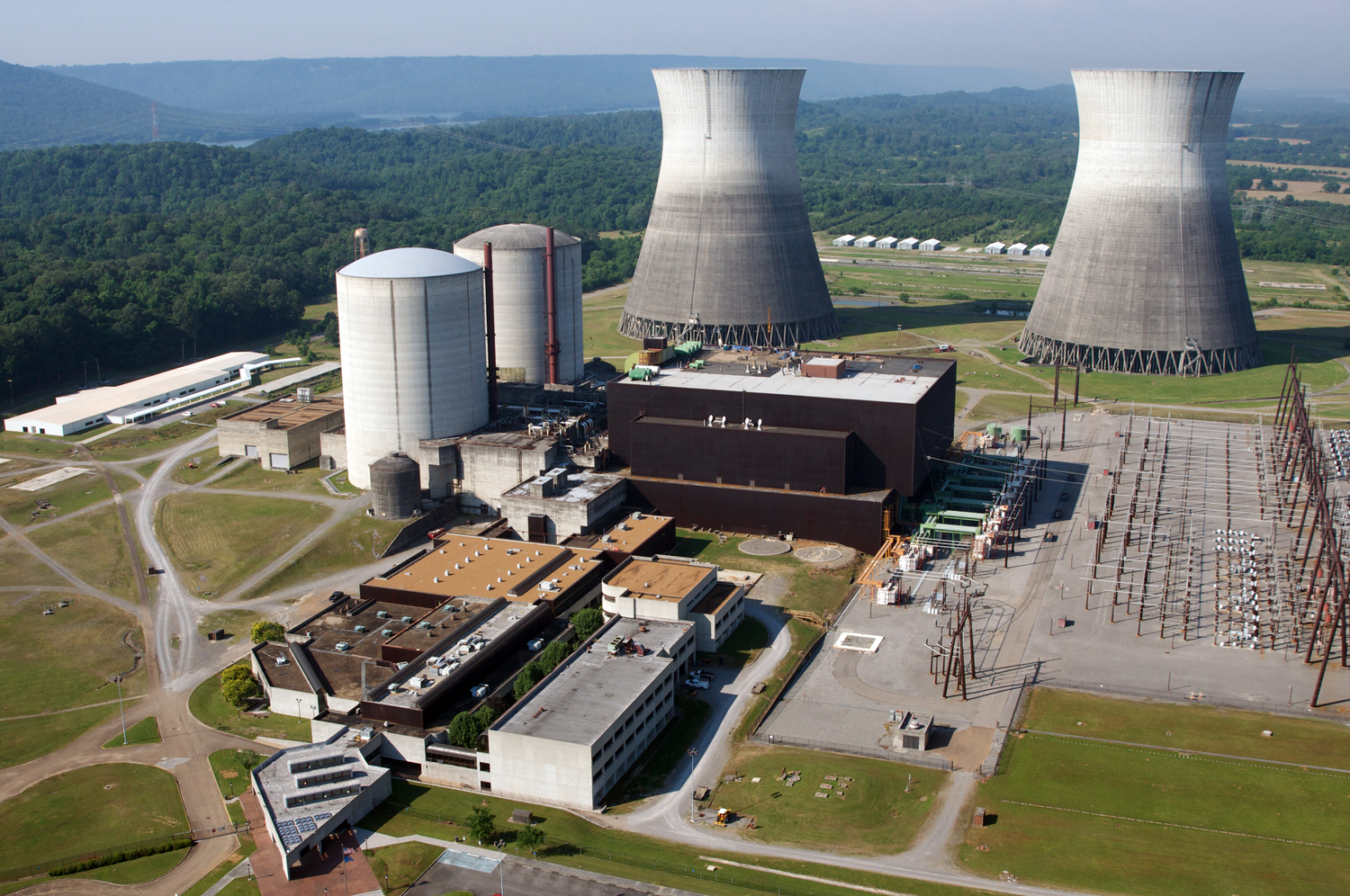
As part of expanding the nuclear new build programme and developing a sustainable energy mix, the energy department of the South African government has conducted a series of vendor workshops with seven countries namely Canada, China, France, Japan, Russia, South Korea and the USA. These nations use technology that is similar to South Africa, such as the pressurised water reactor nuclear technology, which can be seen at the Koeberg Nuclear Power Plant in Western Cape.
The South African government has signed Inter-Governmental Framework Agreements (IGFA) with Russia, China, France, USA and South Korea, while agreements with Canada and Japan are at an advanced stage and will be completed soon, said government officials.
According to the agreements, each country can contribute to and engage with South Africa’s nuclear new build programme.
An official from the South African energy department said, “The government continues to make significant progress in its engagements with various prospective nuclear vendor countries as part of the process towards the implementation of the expansion of the nuclear new build programme, as required for energy security based on a sustainable energy mix. The National Development Plan enjoins us to do thorough investigations on various aspects of the nuclear power generation programme before a procurement decision is taken. These policy prescripts are meant to add 9,600MW of electricity to the national electricity grid and ensure that we keep the lights on in a sustainable manner.”
Over the last six months, 80 South African nuclear experts have carefully analysed each technological offering for the vendor countries during the pre-procurement phase. At the end of the process, every vendor country presented unique proposals to implement the nuclear new build programme, which will support the government’s decision to develop a transparent, fair, cost effective and competitive procurement process for selecting a strategic partners to implement the programme.
The procurement process will be presented for approval by the Energy Security Cabinet Subcommittee and endorsed by the Cabinet, with the aim of getting the first unit commissioned by 2023 and the last unit by 2030.
Source: African Review
mark
Show SEO & AI-citation metadata for this article
DemoEvery article carries this structured metadata so it surfaces in search and can be cited by AI answer engines. In the back end, a person posting fills these in, or the AI layer drafts them.