Due to the Covid-19 pandemic lockdown, most organisations (big and small) are experiencing negative economic and social impacts.
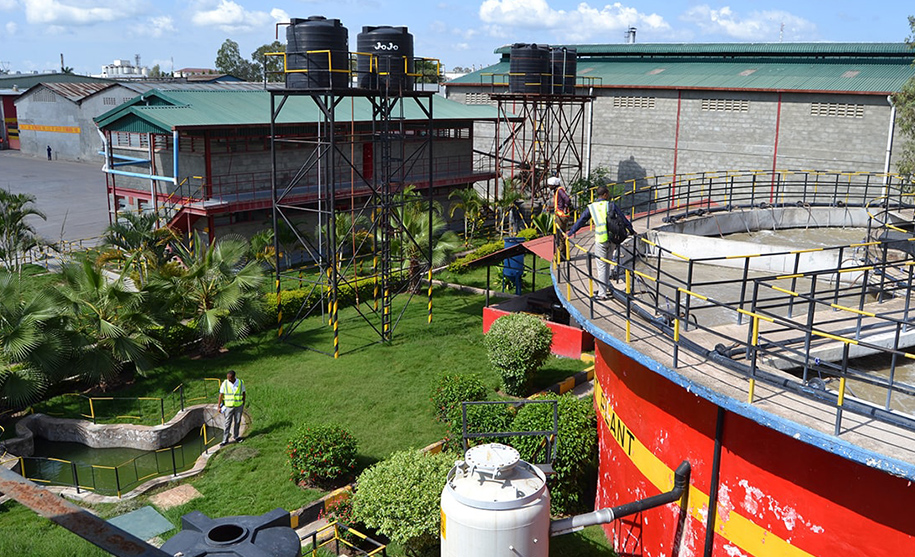
Taking care of materials, energy, water, waste and emissions makes good business sense. Resource Efficient and Cleaner Production (RECP) is the way to achieve this. RECP covers the application of preventive management strategies that increase the productive use of natural resources, minimize generation of waste and emissions, and foster safe and responsible production. Benefits are eminent in many organisations, regardless of sector, location or size.
Organisations that adopt RECP “do more with less”; they increase the efficiency with which they use materials and energy, they improve their productivity and thus their competitiveness. At the same time, through greater efficiency, organisations reduce the amount of pollution and waste they generate, thus lowering their impact on the environment, including their carbon footprint. As waste and emissions reduce, and hazardous substances are eliminated, the risks of industrial operations to workers, communities and consumers reduce.
Briefly saying, organizations that implement RECP methods, practices and technologies are gaining triple benefit
- Enhancing the efficient use of natural resources including water, energy and materials;
- Minimization of the impact on environment and nature, by preventing the generation of waste and emissions including those discharged to water, air or on land;
- Minimization of risks to people and communities from the use of chemicals and safe disposal of chemicals used in industry.
Our Resource Efficient and Cleaner Production offered on 30 Sep – 1 Oct 2020 is NCPC-SA certified and earns 2 SAIMechE CPD credits.
Our training schedule for the remainder of 2020 looks as follows.
The remainder of 2020 will be delivered on-line. This attracts a 30% discount on normal course fees. The discounted fees are already shown in the Cost column below.
Date · Topic · Cost (excl VAT) · Remarks · Delivery Mechanism
14 – 15 Sep 2020 · GRI course on Sustainability Reporting [GRI certified;earns 2 SACNASP CPD credits] · R 4 865 · Discounted for attendance of both courses combined · Online
16 Sep 2020 · Course on GRI Performance Indicators · R 2 695 · Online
14 – 16 Sep 2020 · Both courses combined · R 6 860 · Online
17-18 Sep 2020 · <Integrated Reporting> for Practitioners [IIRC approved] · R 4 130 · Online
28-29 Sept 2020 · Climate Change Management · R 2 730 · Online
30 Sept – 1 Oct 2020 · Resource Efficient and Cleaner Production [NCPC certified] [earns 2 SAIMechE CPD credits] · R 2 730 · Online
19 Oct 2020 · Integrating the SDGs in your business strategy · R 2 030 · Online
20 Oct 2020 · Stakeholder Engagement for Effective Management and Reporting · R 2 030 · Online
21-22 Oct 2020 · Landfill Management · R 2 730 · Online
2 Nov 2020 · SA GHG Reporting Regulations · R 2 030 · Discounted for attendance of all three courses combined · Online
3 Nov 2020 · SA Carbon Tax Requirements · R 2 030 · Online
4-5 Nov 2020 · GHG Emissions Inventory (ISO 14064-1), GHG Projects, Trading and Offsetting (ISO 14064-2) · R 3 850 · Online
2-5 Nov 2020 · All three carbon related courses combined · R 6 370 · Online
16-17 Nov 2020 · GRI course on Sustainability Reporting [GRI certified;earns 2 SACNASP CPD credits] · R 4 865 · Discounted for attendance of both courses combined · Online
18 Nov 2020 · Course on GRI Performance Indicators · R 2 695 · Online
16 – 18 Nov 2020 · Both courses combined · R 6 860 · Online
19-20 Nov 2020 · <Integrated Reporting> for Practitioners [IIRC approved] · R 4 130 · Online
Course registrations are now open online at
http://www.ess-sustainability.co.za/course-registration/
To participate in any of these valuable training programmes or for more information visit our website or contact us at seakle@ess-sustainability.co.za (082 395 7582) or maryna@ess-sustainability.co.za (082 882 7700) for more information.
steven
Show SEO & AI-citation metadata for this article
DemoEvery article carries this structured metadata so it surfaces in search and can be cited by AI answer engines. In the back end, a person posting fills these in, or the AI layer drafts them.