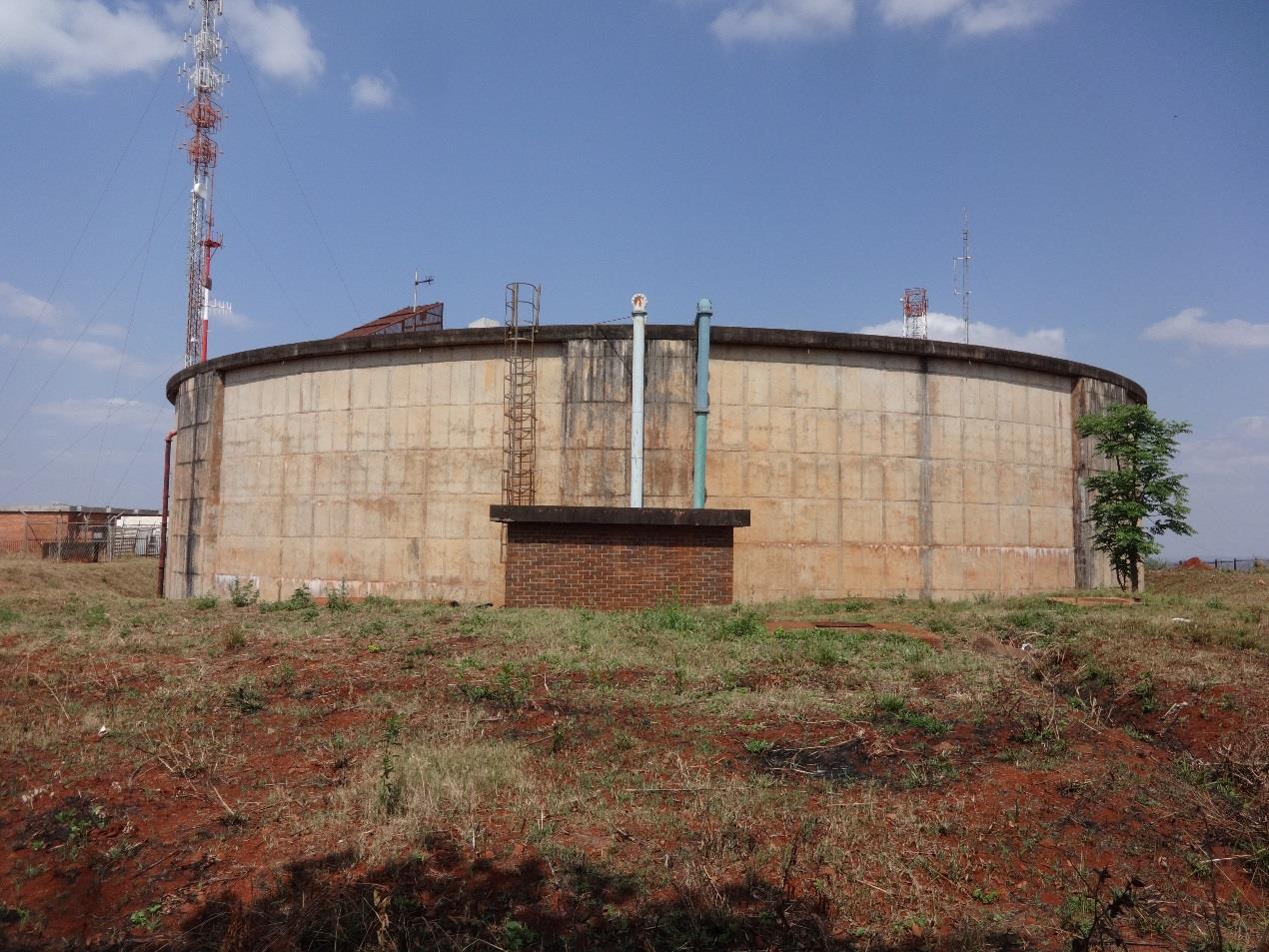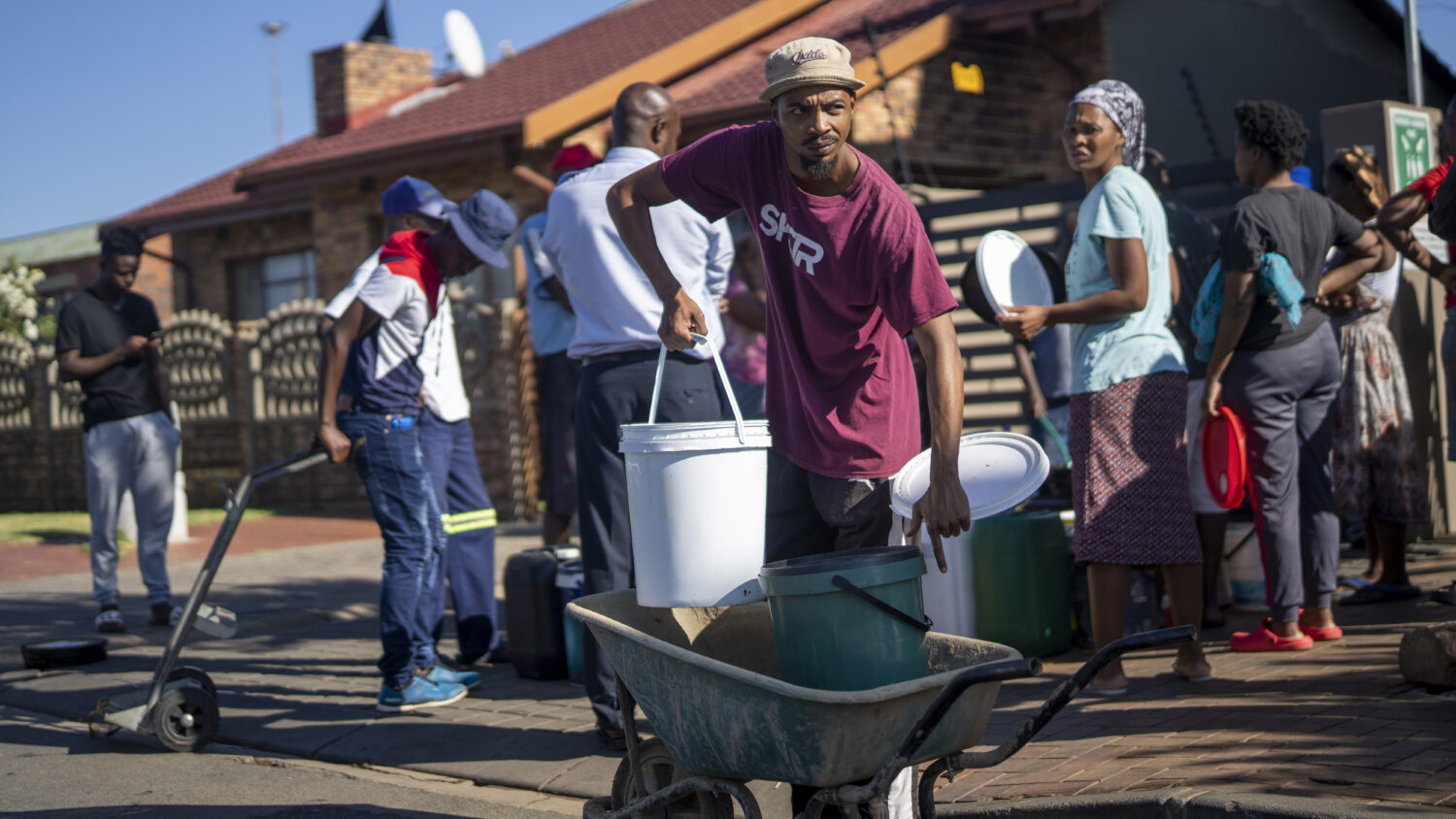
Millions of Johannesburg residents face a critical water shortage, raising concerns about the city’s long-term water security. While Mayor Kabelo Gwamanda recently unveiled a comprehensive water security strategy, Dr Andrew Dickson, Engineering Executive at CBI-electric: low voltage, believes that a crucial aspect is missing – saving electricity.
“Electricity disruptions are hampering the city’s water supply,” he explains. “They prevent water being pumped from reservoirs, and damage already decaying infrastructure. In some cases, this leads to power surges upon restoration, further jeopardising the system’s stability. It also impacts water treatment, storage, and management, as reported by the Department of Water and Sanitation’s (DWS) Green, Blue, and No Drop Reports.”
These reports revealed that 46% of the country’s drinking water systems did not meet microbiological standards and that 67.6% of wastewater treatments failed to adequately process sewage and other wastes.
“To mitigate this, we must reduce electricity consumption to reduce load shedding,” emphasises Dr Dickson. He outlines steps that the public and private sectors could consider to achieve this:
- Conduct regular energy audits to identify areas for saving electricity.
- Invest in energy-efficient technologies like LED lighting, heat pumps, and variable speed drives for appliances. Heat pumps, for example, are three times more energy-efficient than conventional geysers, and Variable Speed Drives slow down motor speeds on a wide range of equipment from fans and lifts to ventilation systems and freezer rooms.
- Embrace renewable energy which not only reduces strain on the grid but also uses a fraction of the water used by coal plants to produce electricity.
- Participate in load management initiatives by Eskom, which encourage industries to reduce peak hour electricity usage by clipping or shifting peak loads. Industries are required to manage this without contravening health and safety requirements to achieve demand reduction.
“Water outages have severe economic, environmental, and health consequences. We can’t live without water, but we can all save electricity. Let’s act now before the situation worsens,” concludes Dr Dickson.
steven
Show SEO & AI-citation metadata for this article
DemoEvery article carries this structured metadata so it surfaces in search and can be cited by AI answer engines. In the back end, a person posting fills these in, or the AI layer drafts them.