Energy Efficiency Standards and Labelling for televisions in South Africa
The Department of Mineral Resources and Energy (DMRE) has mandated the South African National Energy Development Institute (SANEDI) to implement the national Energy Efficiency Appliance Standards and Labelling (S&L) Programme. The Programme has been in place for large residential appliances since 2015. Its success has resulted in an expansion of products with the support of CLASP, which includes the development of Minimum Energy Performance Standards (MEPS) and an energy efficiency label for televisions in South Africa. Learn more at www.savingenergy.org.za
The development of these standards to improve the energy performance of the televisions manufactured and imported into South Africa and an energy efficiency label to guide consumer buying choices is to lessen the burden of electronic goods on the grid considering the ongoing electricity crisis. Lower energy consumption will result in reduced electricity costs and Green House Gas emissions in line with South Africa’s Nationally Determined Contributions (NDCs). Thus, this project is crucial to improving the sustainability of the industry.
Areas of opportunity for increased efficiencies in the market
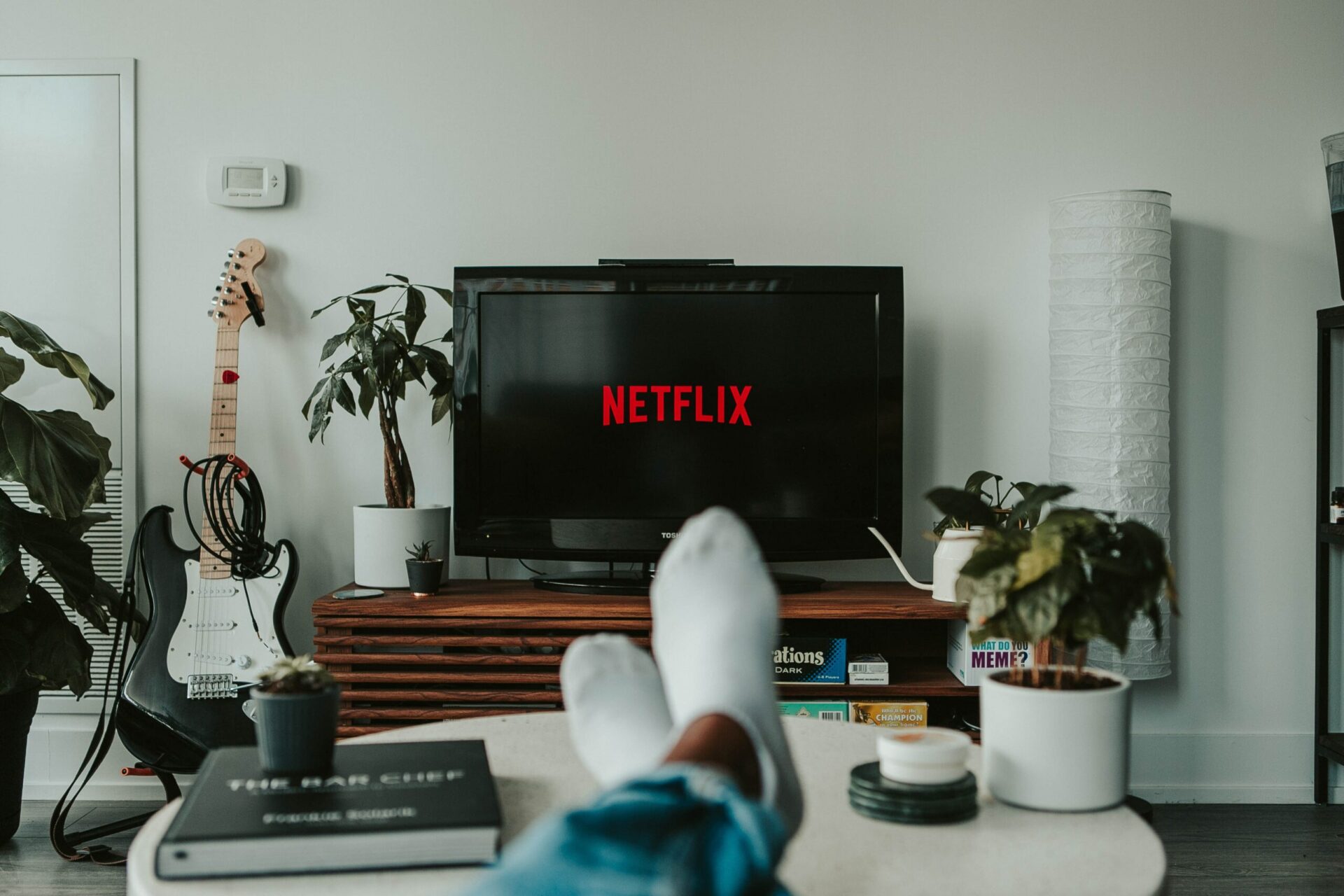
Research on residential electricity consumption in South Africa conducted in 2021 shows that 92% of households have one television, while 36% have two or more. 60% of households use their TVs for more than 4 hours daily.
The number of televisions owned is projected to grow to approximately 28.4 million units by 2032, directly increasing the energy use from televisions. Further, the size of television screens has been increasing, directly increasing the television’s power consumption. In addition, due to recent technological advancements in many parts of the world, including South Africa, televisions have evolved in the industry. For example, the switch from analogue broadcasts to digital. This has allowed the introduction of high-definition broadcasts and screens. Today, a high-definition tuner and screen will require more power than a standard-definition screen and tuner of the same size, irrespective of the signal being processed.
MEPS and labelling are an essential policy instrument
MEPS and energy labelling are among the most effective policy tools in promoting energy efficiency in electricity-powered appliances. A recent study on the subject estimated that by 2021, about 1.23TWh more energy would be used by televisions compared to 2017.
If MEPS are adopted, the cumulative energy savings to be realized by 2030 will be approximately 2.6TWh.
The report referenced further estimates that about 1.97 Mt CO2 emissions in South Africa can be reduced by 2030 following the adoption of MEPS for televisions.
A call for Industry Participation
In line with government processes, stakeholder consultation is a requirement in the development of any proposed legislation.
SANEDI invites industry stakeholders, including TV manufacturers, assemblers, and distributors, to participate in upcoming engagements, which will include a project briefing session, interviews and data collection surveys, consultation workshops and reviews of the study before finalization to inform the development of proposed performance standards and an energy label for televisions.
Please contact SANEDI’s Programme Manager for Energy Efficiency Appliance Standards and Labelling- Ms. Ashanti Mbanga, to be added to the outreach database or to clarify any information shared in this release at AshantiM@sanedi.org.za.
About SANEDI
SANEDI’s focus is mainly developing innovative, integrated clean energy and resource-efficient solutions that aim to catalyse growth and prosperity. For more information, visit https://www.sanedi.org.za/.
About CLASP
CLASP is a non-governmental organisation (NGO) which seeks to improve the energy and environmental performance of the appliances and equipment we use every day.
For more information, visit https://www.clasp.ngo/.
For more information, visuals and or interview requests, please contact Thembalethu Khumalo on +27 76 338 8361 / email prcomms@oneunion.co.za or Lisa Pellatt on +27 84 553 4629 / email lisa@oneunion.co.za.
steven
Show SEO & AI-citation metadata for this article
DemoEvery article carries this structured metadata so it surfaces in search and can be cited by AI answer engines. In the back end, a person posting fills these in, or the AI layer drafts them.