COP26 – A golden opportunity for the private sector to commit to combating climate change
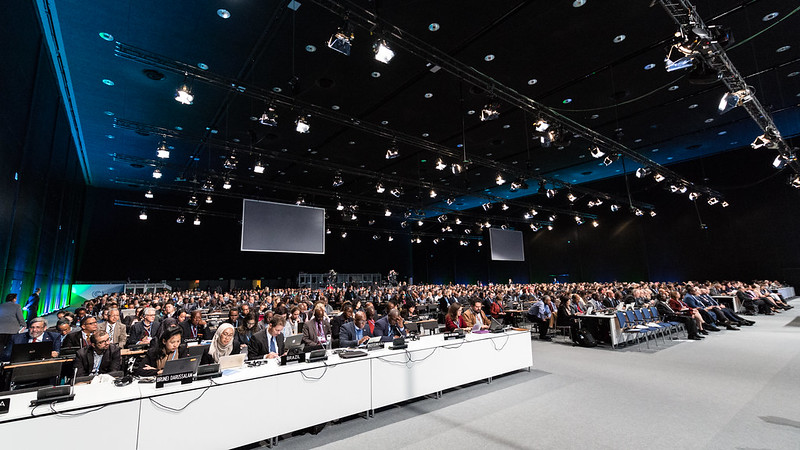
The 2021 United Nations Climate Change Conference 2021 (COP26) is a vital event during which companies and corporations must respond to the biggest crisis which our planet has faced in living memory.
Governments have fallen short of commitments to alleviating the effects of climate change for years but COP26 offers the perfect chance for redemption.
Governments the world over have been blamed for woefully inadequate responses to climate change and the disasters it spells for the world. But the buck doesn’t stop with the state; everyone is responsible for the future of the environment.
Our planet is under threat because of our actions as a species but the effects of climate can be mitigated if groups in positions of authority collaborate and act swiftly.
These groups include the private and publicly listed companies which are BDO’s global clients.
COP 26 is especially important because it is the first iteration of the climate conference to use the ratchet mechanism.
Under the Paris Agreement adopted at the 2015 United Nations Climate Change Conference, countries submitted pledges called nationally determined contributions, to limit their greenhouse gas emissions.
Each country was then expected to submit enhanced nationally determined contributions every five years, to ratchet up their ambition to mitigate climate change.
This had diplomats, negotiators, public and private delegations smiling and clapping hands with the world pledging to stop the global temperature from rising above 2%.
When the Paris Agreement was signed, the 2020 conference was expected to include the ratchet mechanism for the first time but the conference was postponed in the wake of the Covid-19 pandemic.
Despite this, dozens of countries have still not updated their pledges as of November 2021. The sense of euphoria has evaporated. In the past five years, the discussion around increased ambition has left many people despondent and increasingly desperate.
The UNEP’s Emissions Gap Report illustrates how shocking the situation is. Even with so-called increased ambition, which we have seen in a flurry as part of the run-up to COP26, the global temperature is on track to rise by 2.7°C. This is almost double the 1.5°C temperature increase which already carries a “disaster ahead” warning based on the latest IPCC report.
“There is a fifty-fifty chance that global warming will exceed 1.5°C in the next two decades, and unless there are immediate, rapid and largescale reductions in GHG emissions, limiting warming to 1.5°C or even 2°C by the end of the century will be beyond reach,” the report read.
BDO’s sustainability team stresses that, across all climate modelling, Africa warms at twice the global average.
This means the continent is looking at an almost 5°C temperature increase at the end of this century.
Temperature increases of this magnitude will manifest as periods of extreme heat, prolonged periods of drought, increased fire risk and increased extreme events. The Emissions Gap report stresses that, to mitigate these climatic impacts, we needed to reduce emissions by 2030 by 55% to limit the temperature increase to 1.5°C. At this stage, considering all the current, so-called increased ambition pledges, we are only managing a 7.5% emission reduction.
We owe it to our children and theirs to make serious commitments to cutting emissions. BDO wants to see its clients leave a world which is comfortable to live in for the future of humanity.
Developing economies including South Africa, will bear the worst of these effects. We expect to see reduced water availability in already water-stressed areas, increased heat and heat-related illnesses and vector-borne diseases in populous areas; a loss of agricultural potential and a resultant loss of livelihood.
There will also be large-scale climate-related migration driven by livelihood loss and more frequent extreme weather events.
What to expect?
BDO believes the big question is will COP26 hold the G20 countries accountable? How will we manage accountability in the context of voluntary commitments?
South Africa faces significant pressures on the transition to a low-carbon economy which will change how many of BDO’s clients do business. The regulatory context will also change which could lead to an increase in carbon tax and environmental levies.
The country has committed to move away from coal and the EU has indicated it will assist in this transition. The real question here is not whether we will move away from coal, but how this will potentially play out. Appropriate regulations, social and economic infrastructure need to be in place to ensure that people whose livelihoods are reliant on coal mining and related businesses and services are not jeopardised.
In many instances, there are no regulatory instruments or economic policy shifts supporting Nationally Determined Contributions and also ensuring that the much-needed transition to zero carbon is sustainable.
BDO SA offers significant expertise in dealing with climate change management
Sustainability in BDO forms part of Risk Advisory Services. This is significant as sustainability, more specifically the issues that could emerge if we do not consider sustainability, are key risks in terms of our economy, social fabric, and natural resources’ functionality.
We have moved away from the standard definition of sustainability – people, the planet, and the economy– to recognising the complexity of sustainability. Sustainability is not these three items standing next to one another; it is about how these aspects interact with one another.
Throw into this mix cross-cutting issues such as climate change, energy security, governance and governing responsibility and the value of biodiversity – and you have a snapshot of the complexity of this definition in practice.
BDO’s sustainability team represents this complexity with skillsets and experience enabling us to untangle these relationships to find straightforward, “clear” solutions for our clients as they navigate their role in driving a sustainable global development agenda.
Our multi-disciplinary team includes the following key specialists:
Carla Clamp, director
Carla’s industry experience includes public sector as well as larger private sector clients. She has 20 years’ experience in risk management, corporate governance consulting, sustainability services and in providing outsourced and co-sourced internal audit services. Carla also headed up the internal audit department for a large listed company. Her primary client focus is the manufacturing and natural resource industries.
Karien Erasmus, senior manager
Karien has been involved in the sustainability and climate change industry for the past 15 years. She has worked extensively in Africa and on local strategic projects such as South Africa’s National Tourism Sector Climate Change Risk and Vulnerability Assessment and high-profile climate change risk assessments. She has led strategic projects in the public and private sectors in South Africa, Ghana, and Peru. In the private sector, she has worked in the mining sector, the infrastructure and property development sectors, the tourism sector, and the manufacturing and retail sectors. Karien effectively applies her development practice background to inform the context of climate change and low carbon development projects. She is passionate about Africa and developing practical, socio-economic sensitive climate change adaptation and mitigation strategies.
Dineo Mokono, manager
Dineo is an ESG specialist who has been involved in sustainability for over 10 years, serving in both the public and private sectors. Since her commencement at BDO, she has conducted environmental, social and governance work for various entities, including the mining sector, the infrastructure and commercial property development sectors, the tourism sector, and the manufacturing and retail sectors.
A diverse range of sector experts supports this team to enhance our sustainability and climate change offering. These experts include digital specialists, taxation experts and predictive analytics and actuarial risks experts.
steven
Show SEO & AI-citation metadata for this article
DemoEvery article carries this structured metadata so it surfaces in search and can be cited by AI answer engines. In the back end, a person posting fills these in, or the AI layer drafts them.