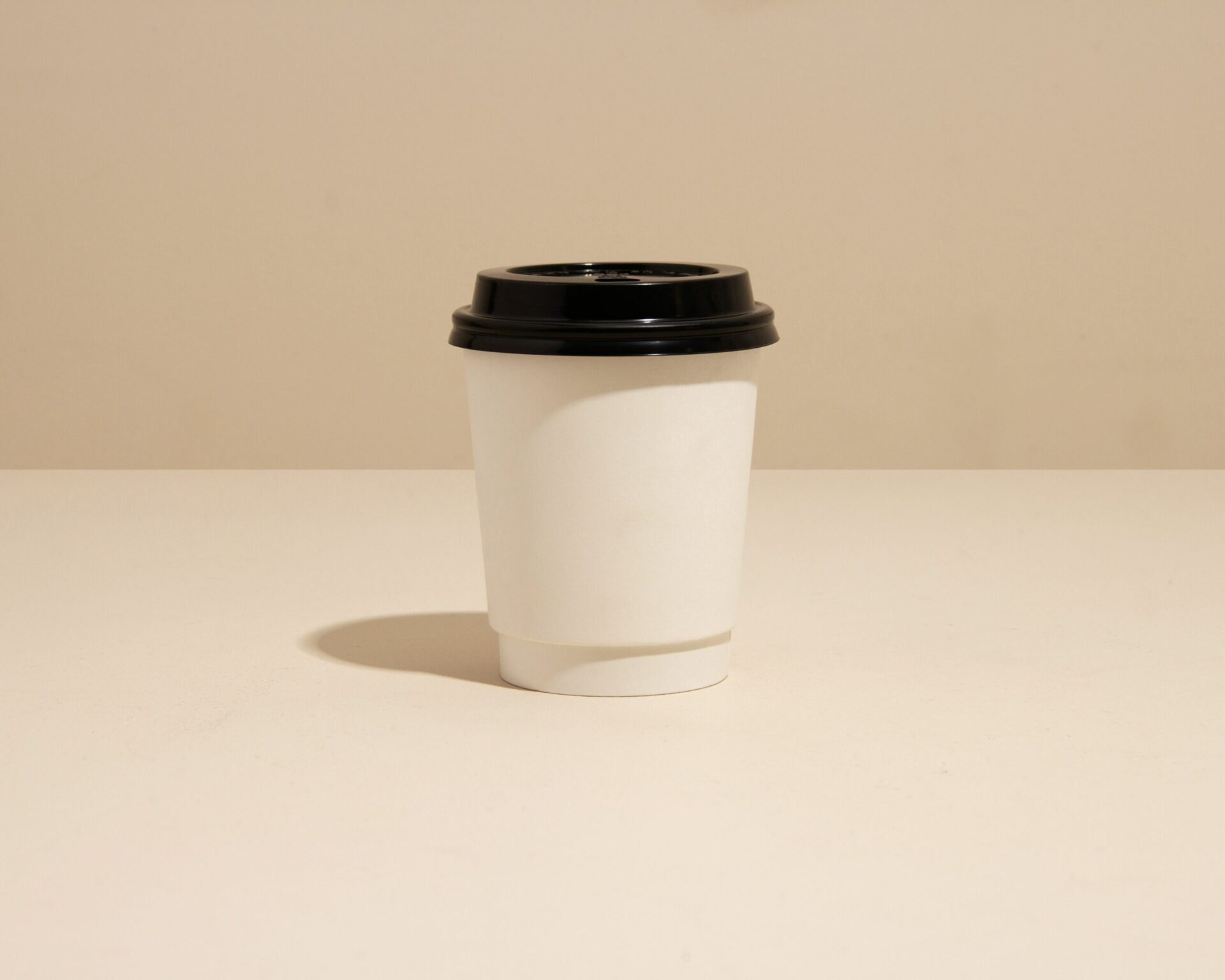
People are becoming more acutely aware of how harmful plastic is to our environment, especially to our rivers and oceans. In response, many packaging companies in South Africa are switching to compostable packaging to try and reduce the use of plastics. Compostable packaging has its own challenges and the Organics Recycling Association of South Africa is concerned that the switch to compostable materials may result in damage to our soils and long term food production.
“Compostable products (including coffee cups, bagasse plates and cups and cutlery made from Poly-lactic acid) are required to be tested in a laboratory to ensure that they breakdown in a defined period of time (usually 83 days depending on the standard used) and do not leave a harmful chemical residue that could potential affect plant or animal health,” explains Melanie Ludwig, founder of Zero to Landfill Organics and original member of the Organics Recycling Association of South Africa.
There are several international certification systems already in use and any imported products should be labeled with a conformity label and registration number. This makes it possible for a composter to be able to check a product’s compostability certificate on a central database. Unfortunately, there are many products entering South Africa that are marked “Compostable” that are in fact not compostable and contaminate compost and soils with micro-plastics and other chemicals.
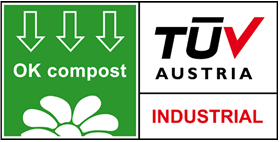
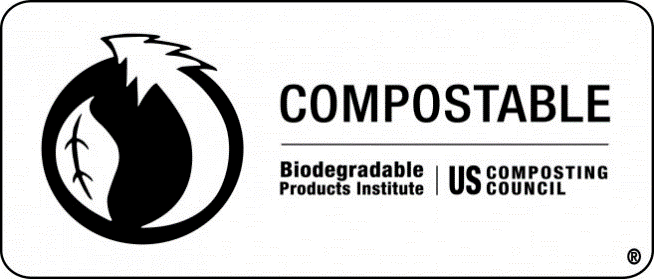
Examples of International conformity logos
To ensure that only certified compostable packaging is imported into South Africa, the Organics Recycling Association of South Africa is creating awareness around how to identify correctly tested and certified imported products. For locally manufactured products, the CSIR and SABS are working towards a certification system to test and approve products so that local composters can compost these products with confidence. There is currently no South African certification system so only internationally certified products should be accepted for composting.
To make sure that the compost produced from compostable packaging is safe for our soils, ORASA is advising our members, who process compostable products, to only accept correctly labeled and certified materials so that the compost produced is safe for our soils. If you are using or purchasing compostable products, please remember that these products must not be landfilled as they break down into methane, a harmful greenhouse gas. All compostable products must be composted, along with food waste, in a home composter (if certified for home composting) or at an industrial composting facility.
Please contact the Organics Recycling Association for more information on 083 696 5138 or email info@orasa.org.za
steven
Show SEO & AI-citation metadata for this article
DemoEvery article carries this structured metadata so it surfaces in search and can be cited by AI answer engines. In the back end, a person posting fills these in, or the AI layer drafts them.