BROADER PERSPECTIVE ON ELEPHANT MANAGEMENT AT MADIKWE GAME RESERVE: PROTECT THE RESERVE, DON’T DESTROY IT
Madikwe Futures Company, a non-profit working in Madikwe, shares the public sense of outrage and sadness at the plight of the elephants in Madikwe, as highlighted in recent The True Green Alliance and NSPCA articles.
Madikwe Game Reserve in the North West province was created 30 years ago as a unique partnership between the government, private sector, and local communities.
The North West Parks & Tourism Board (NWPTB) manages the reserve. Conservation management at Madikwe is the sole responsibility of NWPTB. The lodge owners and the Madikwe Futures Company are legally and operationally constrained from managing the elephant population.
Private investors entered into concession rental agreements with the government and invested in creating and running a number of independently-owned lodges in Madikwe. For the local communities, the reserve sustains over 1000 jobs.
In addition, the lodges have come together in recent years to support Madikwe Futures Company, a non-profit that contractually assists NWPTB with anti-poaching, roadwork, bush-clearing and community projects. This is a ground-breaking public-private partnership that everyone agrees significantly benefits Madikwe.
Madikwe was created and exists as a tourism destination. The establishment of the reserve turned unproductive farmland into a large area of protected land. Madikwe is a non-malaria reserve that is home to the “Big Five” as well as African wild dogs, cheetahs and brown and spotted hyenas, as well as numerous smaller species. Madikwe has rich biodiversity.
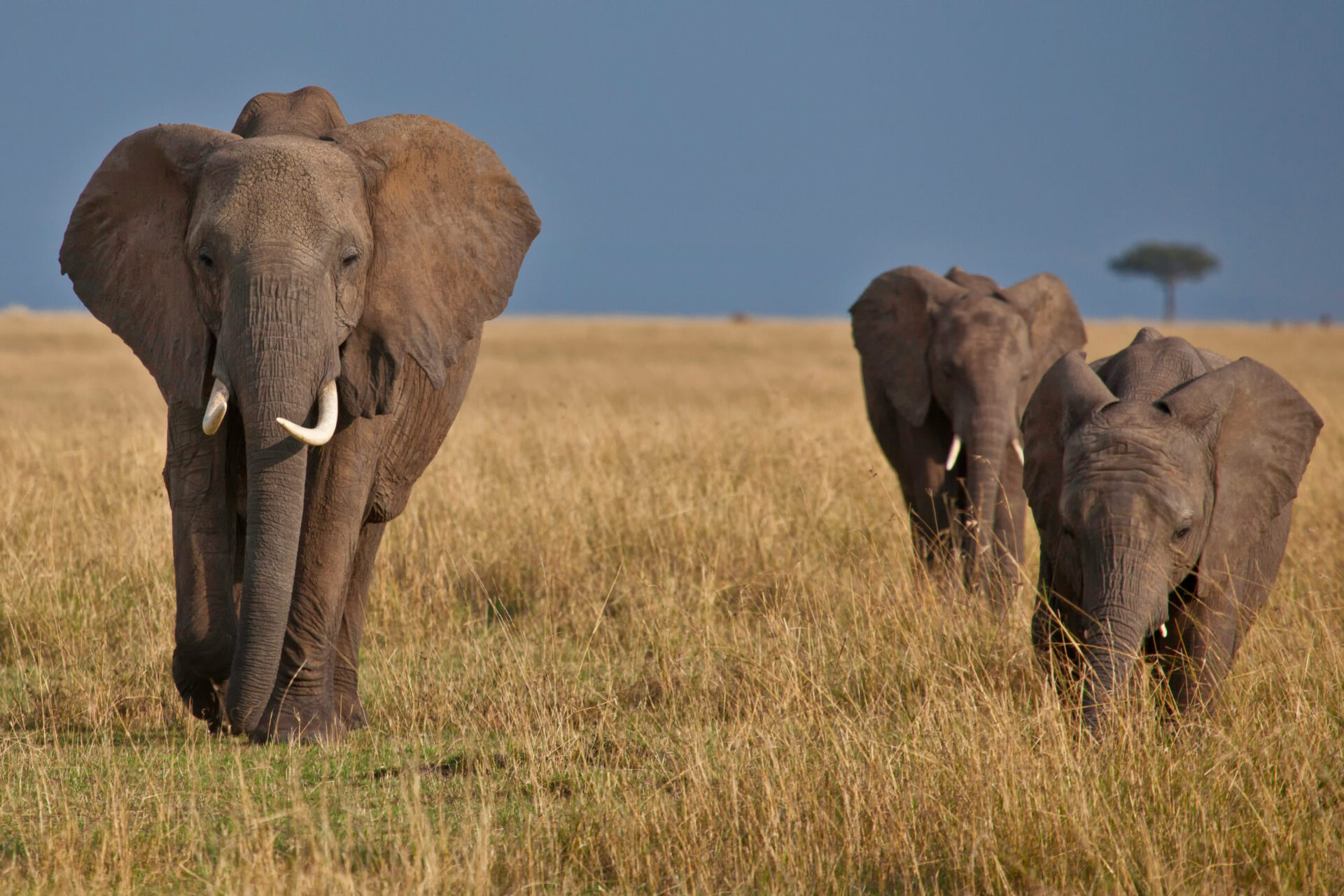
Madikwe’s vegetation—like the vegetation of other reserves across southern Africa—has been put under pressure by a growing elephant overpopulation. “Especially with the current drought, other reserves with elephants, including reserves in South Africa, Namibia, Botswana, Malawi and Zimbabwe, are in a similar situation, with elephants badly altering the vegetation,” says Dr. Hector Magome, a veteran conservationist and director of Madikwe Futures Company. This problem is so widespread that the South African national government formed a task team earlier this year, at the request of NWPTB. We applaud this effort and urgently appeal to the South African government to prioritise elephant population management—not only at Madikwe, but also across South Africa.
“Madikwe is in the middle of a devastating drought after a season of below-average rains,” says Magome. People who have been in the reserve for decades say they have never seen it so dry. The drought and lack of elephant population control are the main drivers of elephant deaths in Madikwe.
In recent weeks, Madikwe has received some rain and the grass and bushes are growing again. However, we are still waiting for substantial rains. Despite the harsh conditions, nearly all wildlife, including elephants, are surviving. We are relieved at the first rains, and believe that the reserve will be green again soon, but that still does not resolve the underlying problem.
Koos Potgieter, Managing Director of Madikwe Futures Company and a lodge owner who has lived in Madikwe since 2000, says: “During the last few months, some elephants died of starvation, which is sad and tragic. This is the first time in the 30 years of the reserve’s existence that this has happened. It is a tipping point and urgent intervention is needed. However, we are extremely concerned that the way the issue is positioned in the press is too broadly condemning—and will destroy the good that Madikwe has done and continues to do.”
For years, Madikwe Futures Company and the lodges have engaged with NWPTB to raise concerns and ring alarm bells, and we have escalated this with the severe drought that caught everyone off-guard. After the last season, where the reserve received less than average rains, we expended significant resources this dry season to ensure that dams and pans were scraped and boreholes functioning so that there is enough water for the wildlife. We continued with our sicklebush mulching program, which, as a byproduct, produces mulch that elephants eat.
According to Potgieter, “A lot of people come together and work hard, day in and day out, to make Madikwe successful. We urgently call on NWPTB and national government to address the elephant issue and resulting veld damage, in the short-term and the long-term. We cannot have the same situation continue, with another dry season and an ever-increasing elephant population. Madikwe Futures Company stands ready to take on a larger role to help.”
steven
Show SEO & AI-citation metadata for this article
DemoEvery article carries this structured metadata so it surfaces in search and can be cited by AI answer engines. In the back end, a person posting fills these in, or the AI layer drafts them.